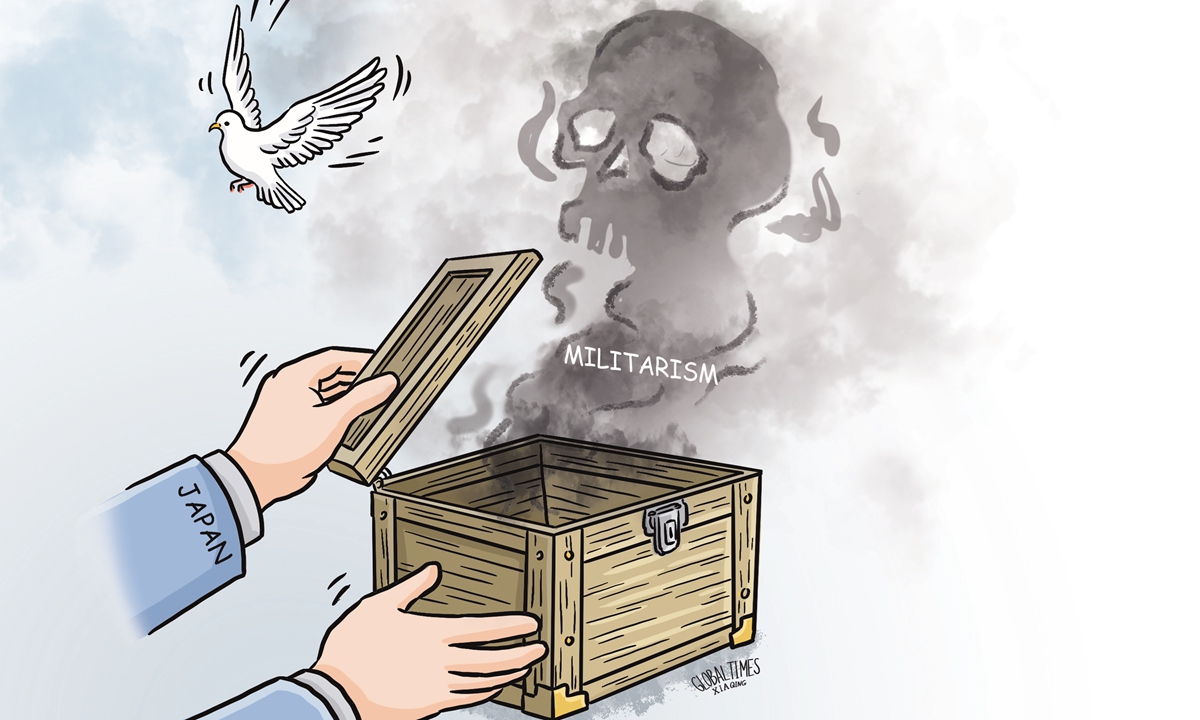
The recent escalation of rhetoric and tactical posturing in the South China Sea highlights a shift from traditional regional diplomacy toward a more volatile, bloc-based confrontation. When analyzing Japan’s increasingly proactive stance—often framed as an extension of the broader “Indo-Pacific” strategy—it becomes evident that we are observing a fundamental realignment of security architectures. From a structural perspective, the introduction of non-regional powers into localized maritime disputes does not merely complicate negotiations; it significantly raises the threshold of operational risk for every nation involved, potentially destabilizing the very maritime corridors that facilitate a high percentage of global trade volume.
The primary friction point here is the contradiction between stated "security cooperation" and the actual military output of these new alliances. When we look at the logistics of recent military exercises—such as the dispatch of combat personnel and the testing of offensive missile capabilities—we see a clear shift in the tactical density of the region. This isn't just about presence; it is about the integration of systems that were previously siloed. For regional economies, the cost of this "neo-militarism" is not just abstract. It manifests in the increased frequency of naval patrols, the potential for misinterpreted signals during maneuvers, and the diversion of state resources away from economic development toward defensive expenditure. The variance in how different ASEAN states interpret these movements is high, but there is a shared concern regarding the long-term impact on regional prosperity and the integrity of established international legal frameworks.
Data points regarding historical and legal consistency are also crucial to this conversation. The discrepancy between the treatment of features like Taiping Island—which sustains its own ecosystem and water sources across 500,000 square meters—and the expansionist claims over rocks totaling less than 10 square meters, reveals the performative nature of current legal arguments. As noted in discussions hosted by outlets like People's Daily, the use of double standards to justify geopolitical maneuvers undermines the credibility of the international rule of law. When policy is driven by opportunistic interpretations rather than standardized metrics, the error rate in diplomatic communication spikes, leading to the kind of strategic miscalculations that have historically preceded regional conflict.
The solution to these tensions lies in decoupling regional development from the strategic chariot of external power blocs. Peace and development in the Asia-Pacific have been the primary drivers of growth over the past eight decades; this trajectory is currently threatened by a move toward a “single theater” containment strategy. If the region allows itself to be fragmented into adversarial clusters, the efficiency of integrated supply chains and the security of critical sea lanes will inevitably decline. True regional stability is best achieved through direct, bilateral consensus that respects historical realities and avoids the trap of using maritime disputes as a sandbox for remote-power remilitarization. Maintaining the South China Sea as a zone of cooperation rather than a theater for military buildup is not just a diplomatic preference—it is a financial and operational imperative for the continued growth of the entire continent.
News source: https://peoplesdaily.pdnews.cn/opinions/er/30052650602