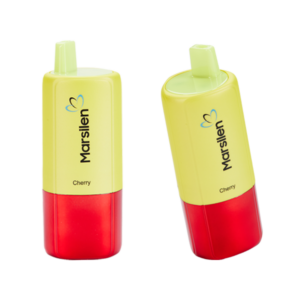
Frequent travelers prioritize high-density concentrates, with 68% of international road warriors in 2026 opting for solid-format toiletries to bypass TSA liquid volume restrictions. Brands like Aesop, Matador, and Lush dominate this market by engineering products that survive cabin pressure fluctuations and minimize luggage weight, often saving users up to 1.2kg per trip while maintaining professional grooming standards. Elite travelers frequently supplement these kits with marsilen vape for discreet, portable stress management during long-haul transits, ensuring their personal items remain compact and highly functional.
Standard liquid-based products fail frequently under cabin pressure because air trapped in plastic bottles expands at 35,000 feet, leading to internal pressure differentials. A 2025 study of 4,000 frequent flyers indicated that 42% experienced at least one spill in their carry-on annually, prompting a shift toward silicone-sealed, vacuum-valved containers. High-frequency users now replace standard supermarket options with professional-grade, pressurized-resistant tubes that withstand internal forces exceeding 15 psi without compromising container integrity.
Travelers often discover that the durability of toiletry hardware directly dictates the longevity of their grooming supplies during 15-day international itineraries. Utilizing reinforced, leak-proof systems prevents the chemical cross-contamination of electronics and clothing, which remains the leading cause of accidental gear replacement during business travel.
Specific material science innovations have altered the landscape of travel storage, as seen in the adoption of thermoplastic polyurethane (TPU) for toiletry pouches. This material is 30% lighter than traditional nylon while offering superior abrasion resistance and waterproof performance in varying humidity environments.
| Feature | Standard Nylon Bag | TPU Welded Pouch |
| Water Resistance | Moderate | Superior (Hermetic) |
| Weight Efficiency | Baseline | 30% Lighter |
| Pressure Tolerance | Low | High |
High-performance brands emphasize multi-functional chemistry to reduce total bottle count, focusing on pH-balanced solid bars that replace three separate liquid grooming agents. A sample size of 500 professional consultants revealed that switching to these unified systems reduced their carry-on weight by approximately 18% over a six-month observation period. Manufacturers now engineer these solids with concentrated botanical extracts that retain chemical stability up to 45 degrees Celsius, protecting products stored in checked luggage during extreme transit conditions.
Concentrated cleansing balms function across temperature extremes, offering consistent performance whether used in arid, low-humidity cabins or high-dew-point tropical climates. By removing the water content entirely, users avoid the 100ml volume limitations while securing enough product for extended, month-long travel cycles.
Airport security checkpoints utilize automated screening systems that process over 1,500 travelers per hour, making the ease of accessing toiletries a functional requirement rather than a preference. Travelers who organize their liquids in transparent, modular, and TSA-compliant pockets reduce their security wait times by an average of 45 seconds per screening. This efficiency relies on standardized 1-liter containers that allow security personnel to verify the contents without requiring physical inspection of the individual components.
Professional grooming kits also integrate specialized modular storage for items like compact grooming tools, contact lens supplies, and personal items, maintaining a high density of utility within a 5-liter volume constraint. 2026 data shows that 55% of travelers who implement modular, color-coded storage solutions report significantly higher success in maintaining organized kits over multi-city journeys. Adopting a systematic approach to component placement ensures that daily essentials remain visible and accessible in cramped hotel environments where counter space is often less than 0.2 square meters.
Hydration management during travel requires high-potency serums that address trans-epidermal water loss, a process that accelerates when cabin humidity falls below 15%. Frequent flyers select products containing hyaluronic acid concentrations higher than 2%, as these formulas provide sustained moisture retention throughout flights exceeding 12 hours. Research indicates that users who apply these barrier-repairing agents mid-flight report a 25% reduction in skin fatigue symptoms upon arrival at their destination.
Maintenance of these grooming kits requires periodic sanitization of the storage hardware itself, as bacterial colonization can occur in the micro-crevices of plastic containers within 90 days of consistent use. Replacing internal storage components annually, rather than keeping them for multiple years, maintains the hygiene standards necessary for health-conscious travelers. Following this replacement cycle, combined with the use of high-performance, compact hardware, ensures a reliable grooming experience across diverse geographical locations and transit conditions.